
Advocate like Jesus

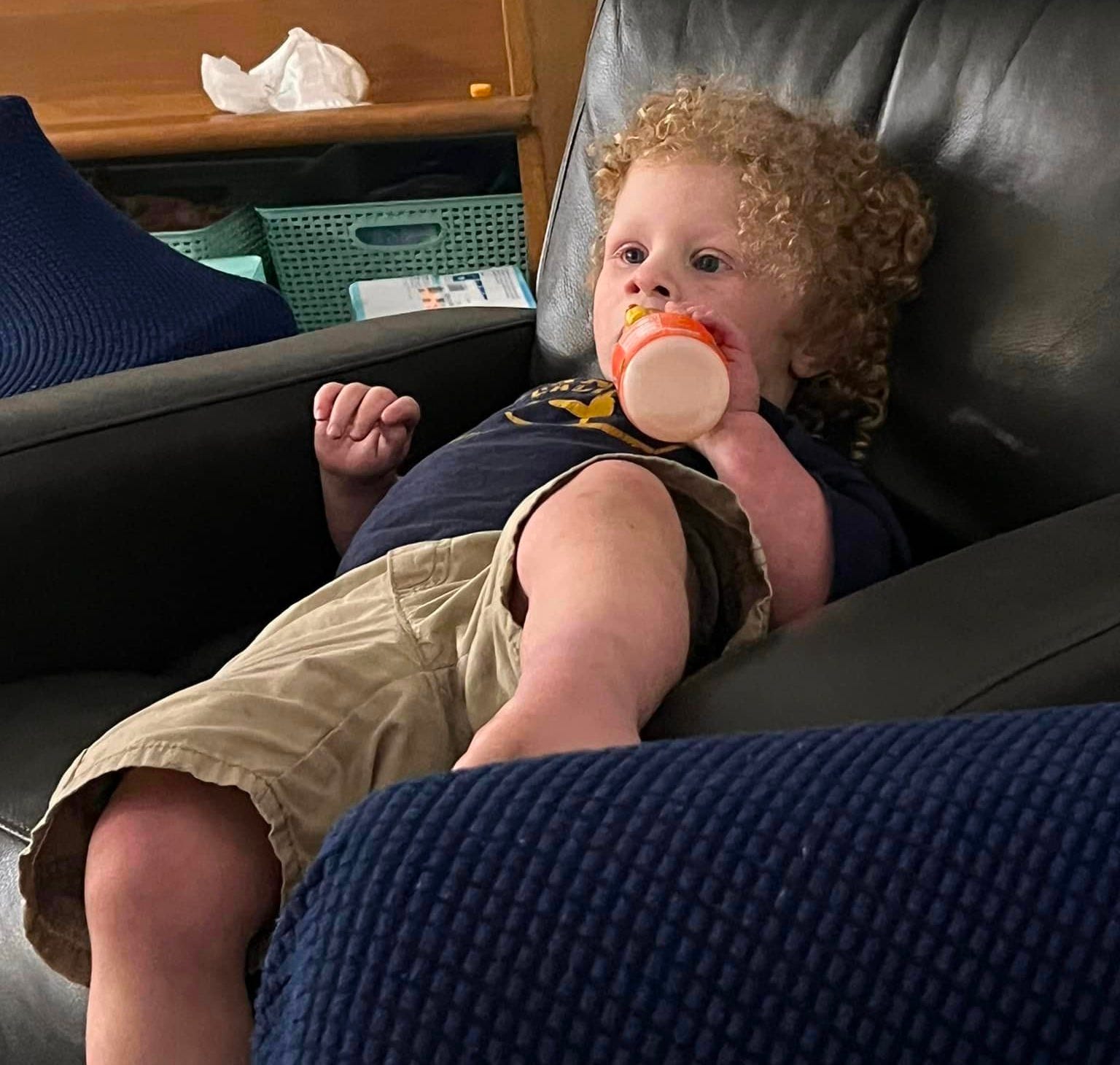
Being an advocate for children with disabilities is both a challenging and emotionally demanding role. I have witnessed this firsthand through my wife, who has been a fierce advocate for our sons, Judah and Knox, both of whom have significant disabilities. Judah has severe autism, and Knox has Williams Syndrome with severe cardiac issues. Advocating for them requires navigating complex systems of care and support, fighting for equal access and inclusion, and championing the rights of children who often cannot speak up for themselves.
As my wife advocates for our sons, she faces frustration, exhaustion, and disheartenment as she constantly confronts the biases and misconceptions surrounding disability. Yet, she works tirelessly to ensure that our sons receive the support and care they need and deserve. Her relentless efforts to create a more inclusive and equitable world for all children are a testament to her unwavering dedication to both our family and the broader disability community.
Christ, Our Ultimate Advocate
Though advocating for children with disabilities is undeniably challenging, we can take comfort in knowing that we have an ultimate advocate in Jesus Christ. In 1 John 2:1, we read, "My little children, I am writing these things to you so that you may not sin. But if anyone does sin, we have an advocate with the Father, Jesus Christ the righteous." (ESV) As our advocate, Jesus intercedes on our behalf before God the Father, pleading our case and representing us before the One who judges all.
Through His sacrificial death and resurrection, Jesus has opened the way for us to be reconciled to God. His ongoing advocacy ensures that we are never alone or forgotten. As we work to advocate for children with disabilities, we can draw strength and inspiration from Christ's example, knowing that He is with us in our efforts to bring about a more just and inclusive world.
The Church’s Role in Advocacy
As a community of faith, churches have a unique opportunity to come alongside parents of children with disabilities and support them in their advocacy. This support can take many forms, from offering prayer for families and their children to providing practical assistance like respite care or transportation. Additionally, churches can work to become more inclusive and welcoming spaces for individuals with disabilities, ensuring that all members of the community feel valued and included.
By advocating alongside parents of children with disabilities, churches can help break down the barriers that prevent these children from fully participating in society and experiencing the love and support of a community. With the church's love and support, parents can find the strength and encouragement they need to continue advocating for their children and promoting inclusion and acceptance in their communities.