
My Elf: William Syndrome Awareness
William Syndrome Awareness

May is Williams Syndrome Awareness Month
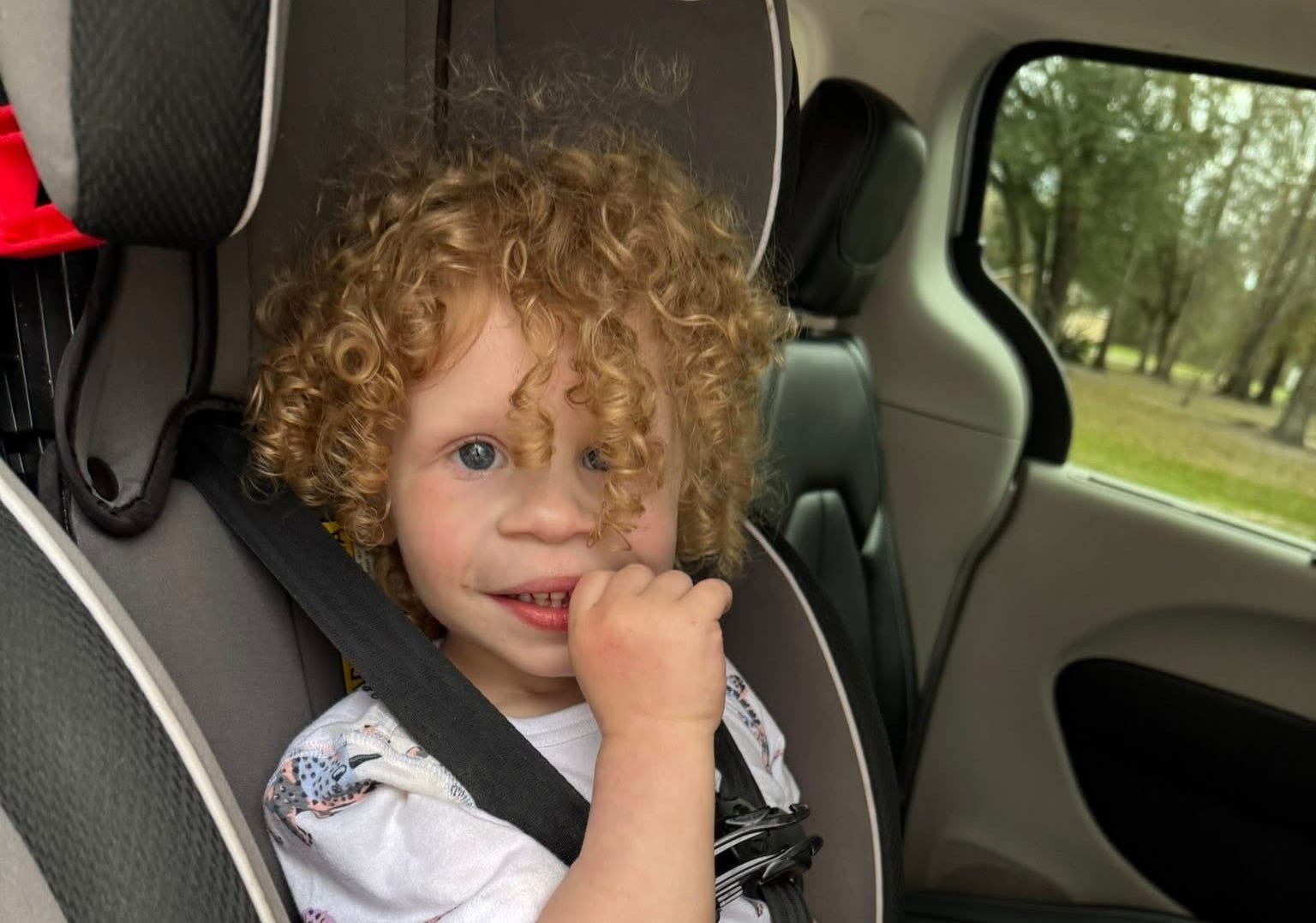
My second son, Knox, was born on November 16, 2020. Before he was even born, we knew something wasn’t quite right. During routine ultrasounds, doctors diagnosed him with a ventricular septal defect (VSD)—a hole in the wall separating the lower chambers of the heart. We were told it wasn’t a major concern; many VSDs close on their own after birth.
When Knox arrived, we noticed some unique features in his face, but didn’t think too much of it. Doctors detected a heart murmur—an unusual sound heard during a heartbeat that can indicate turbulent blood flow—but again, we were reassured. “It’s nothing to worry about,” they said. “Just follow up with a cardiologist in about six weeks.”
At the time, I was finishing my master’s degree and preparing for graduation in just two weeks. We decided to go ahead and schedule that cardiology appointment early. If we hadn’t, Knox might not be with us today.
In God’s providence, that early appointment revealed a far more serious condition: aortic stenosis, a narrowing of the aortic valve that restricts blood flow from the heart. Knox was immediately hospitalized and spent six weeks in Wolfson Children’s Hospital, undergoing open-heart surgery and recovery.
It was during those weeks—long days filled with hospital monitors, wires, and waiting—that I first heard the words “Williams Syndrome.”
Each morning, we joined the hospital staff for “rounds,” where the entire medical team would gather to review Knox’s case and discuss next steps. I remember hearing doctors whisper, “He has features consistent with Williams Syndrome.” After rounds, we’d frantically Google every term we didn’t understand, desperate to learn more so we could ask the right questions.
“Is my child going to die?” “How long is he expected to live?” “Will he be disabled?” “What does this mean for his future?” “Could we have done anything differently?”
Every day: rounds, research, questions, more research, more questions.
Eventually, they sent off Knox’s blood for genetic testing. We waited. And waited. Each day we asked for the results—and each day, no answer.
Then one night, close to midnight, a traveling ICU doctor walked in and casually said, “Hey, has anyone told you the results of the genetic testing?” “No,” we answered. “He definitely has Williams Syndrome.” We started asking all the questions we’d prepared. “I’m just the travel doc,” he replied. “You’ll need to talk to the genetic counselor.”
That moment marked the beginning of an entirely new journey. For the past four years, we’ve met with doctors, specialists, and educators, learning more about this rare condition and how it shapes Knox’s life—and ours.
What is Williams Syndrome?
Williams Syndrome is a rare genetic condition caused by the deletion of about 26 genes on chromosome 7. It occurs in roughly 1 in 10,000 people. Common characteristics include cardiovascular issues (like aortic stenosis), developmental delays, distinctive facial features, and an unusually friendly and social personality.
Children with Williams Syndrome often have a deep affinity for music, strong verbal skills, and an intense emotional connection to people. They can also struggle with spatial awareness, anxiety, and sensory sensitivities.
But one of the most remarkable traits—perhaps the most defining—is what researchers call “pathological friendliness.” Children with Williams Syndrome often show a profound, indiscriminate love for others. They trust easily, speak warmly, and approach strangers like old friends. Genetically, they are literally wired to love.
The Elf Connection
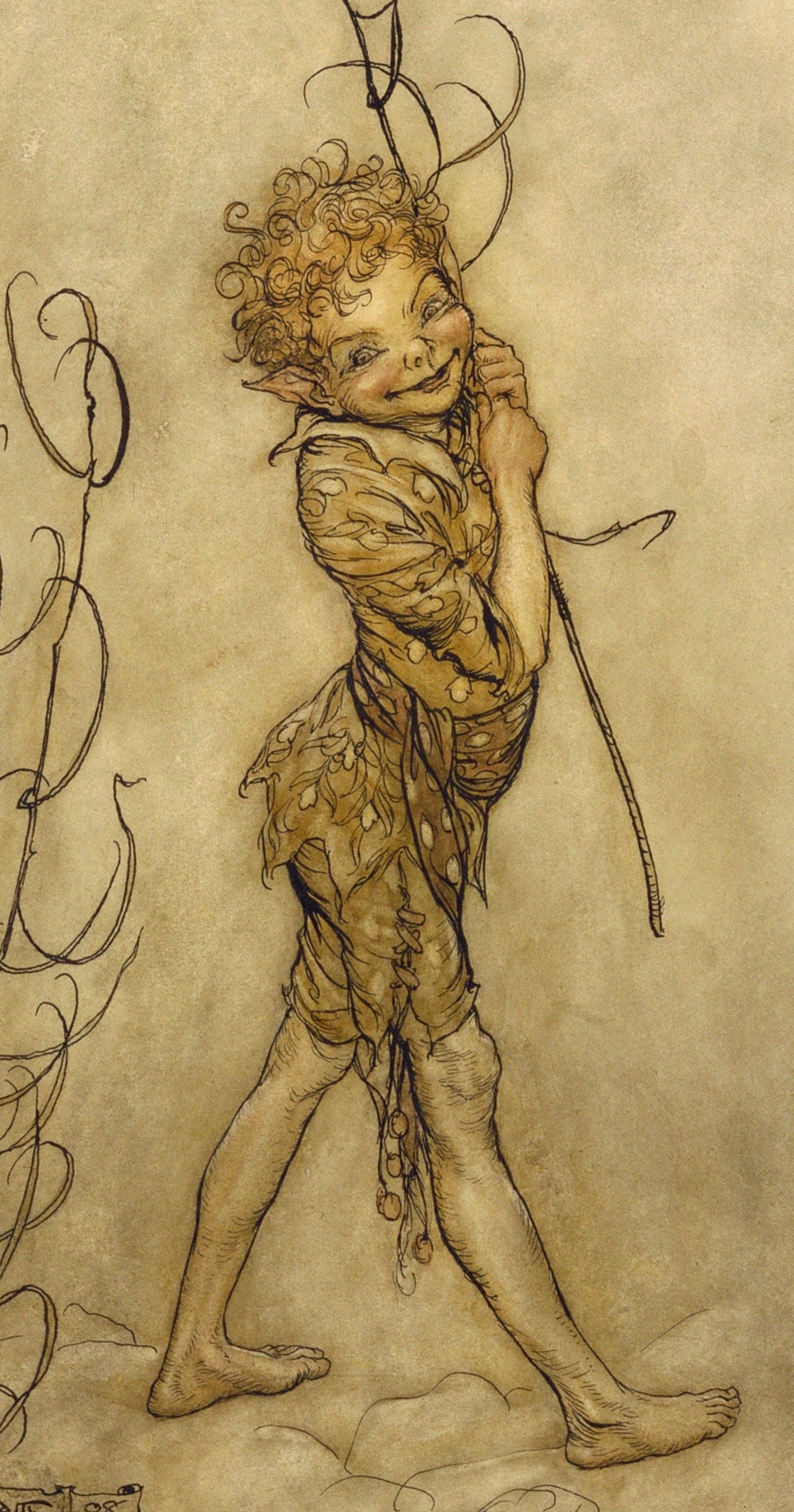
You might be wondering: what does any of this have to do with elves?
Some folklorists and historians believe that the ancient myths of elves may actually have roots in real people—people who exhibited the traits we now associate with Williams Syndrome. In fact, author Jennifer Latson notes that “apart from the physical similarity, elves are portrayed in folklore with undeniably Williams-like personalities. They’re cute and childlike, bubbly and benevolent… They love humans and are beloved by them.”
In Charles Dickens’ novel Barnaby Rudge, the titular character—cheerful, childlike, outgoing, and deeply affectionate—is believed by some medical historians to resemble someone with Williams Syndrome. Barnaby’s joy, his fixation on birthdays, and his tendency to trust everyone he meets bear a striking resemblance to children like Knox.
There are even darker tales—stories of elves stealing healthy babies and leaving “changelings” behind. These may have been ways ancient cultures explained children born with disabilities or unique features. These stories show both the beauty and the fear of the unfamiliar. Even in tales where elves are loved, they are still outsiders—not quite like everyone else.
A Deeper Joy
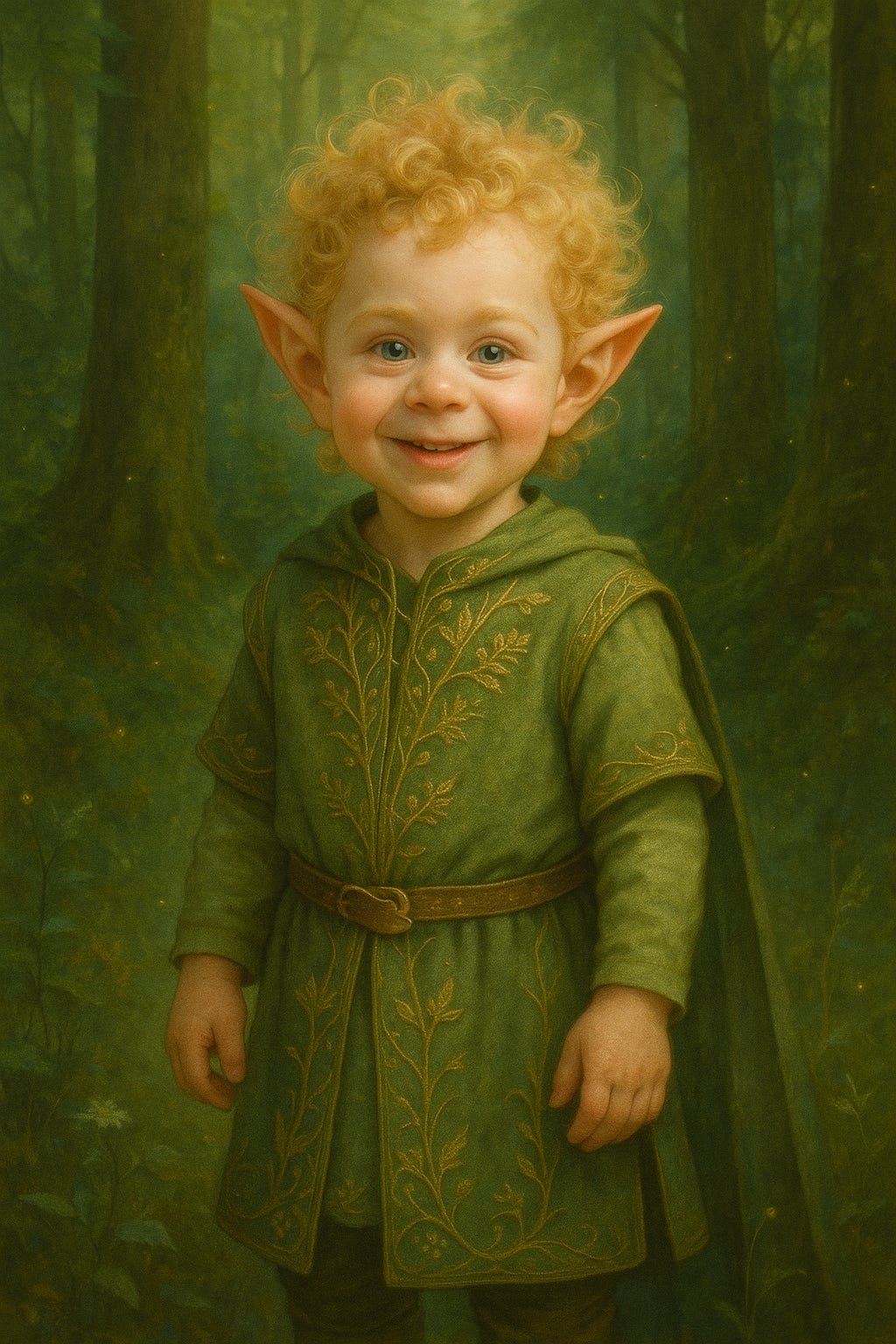
For me, personally, the connection to elves is more than folklore. I’ve always loved fantasy—Tolkien, Lewis, the old myths. Elves, especially in Tolkien’s work, are the firstborn of creation: eloquent, brave, wise, and luminous with beauty and sorrow. They are beings who carry both joy and burden, who sing against the darkness.
Now, when I look at Knox, I see something of that same wonder. He loves people. He loves music. He sees joy where others miss it. He is vulnerable, yes—but in that vulnerability is a strength I’ve never known.
Knox has taught me to slow down, to feel deeply, to value presence over performance. His condition doesn’t define him, but it does illuminate something profound about the image of God: that love is more powerful than logic, that beauty isn’t always loud, and that our worth isn’t measured by ability or achievement.
A Call to Respond
This May, as we observe Williams Syndrome Awareness Month, I invite you to learn, to listen, and to love.
Children and adults with Williams Syndrome may be wired differently, but they are masterpieces of God’s design. They reflect His joy, His creativity, and His heart in ways we often overlook.
Let us respond to the beauty of each person with Williams Syndrome—not with pity or fear, but with celebration. Let us marvel at the music in their hearts, the light in their eyes, and the fierce, unfiltered love they give so freely.
In a world growing colder by the day, their warmth is not a weakness. It’s a gift.